Motorcycle helmets are essential safety equipment for riders, providing protection while supporting comfort and confidence on the road. In 2026, customers are increasingly looking for helmets that combine dependable construction, modern designs, comfortable fitting, and reliable safety features. Choosing the right helmet manufacturer is therefore an important decision for individual riders, retailers, distributors, and businesses looking for quality helmet products.
A reliable helmet manufacturer focuses on more than appearance or affordability. Material selection, manufacturing processes, safety certification, quality control, and customer support all contribute to the overall value of a helmet. Understanding these factors can help buyers make informed decisions and choose products that meet their requirements.
1. Quality Materials and Consistent Manufacturing Standards
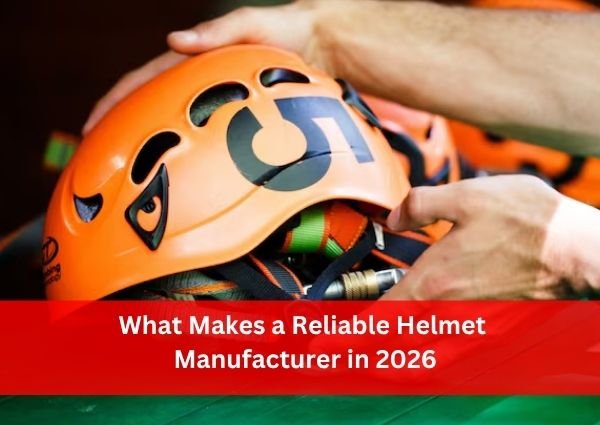
One of the most important characteristics of a reliable helmet manufacturer is the use of suitable materials and consistent manufacturing processes. A motorcycle helmet generally includes an outer shell, an impact-absorbing liner, comfort padding, a retention system, and other components designed to work together.
The outer shell must be designed to withstand the demands of its intended use, while the inner liner helps manage impact energy. Manufacturers may use different shell materials, including thermoplastics and composite materials, depending on the helmet design and intended market.
However, material choice alone does not determine the quality of a helmet. Proper construction, component integration, testing, and manufacturing consistency are equally important.
Reliable manufacturers follow documented quality-control procedures to identify defects and maintain consistency across production batches. These procedures may include inspections of shell construction, fastening systems, visor mechanisms, finishing, and other essential components.
Buyers should also examine product specifications and ask manufacturers about their quality-assurance processes. A well-made helmet should provide consistent construction, a secure retention system, and a comfortable fit appropriate for its intended use.
2. Safety Certification, Testing, and Modern Helmet Designs
Safety certification is another essential factor when evaluating a helmet manufacturer in 2026. A helmet’s attractive appearance or premium price does not automatically mean that it provides adequate protection. Buyers should verify that the specific model meets the safety requirements applicable in their market.
In India, customers should look for the relevant Bureau of Indian Standards (BIS) certification and ISI mark and verify that the certification applies to the exact helmet model. Depending on the market, other recognized standards may also apply.
Manufacturers should provide clear information about certification, product specifications, intended use, and applicable safety requirements. This transparency helps customers distinguish between verified safety compliance and unsupported marketing claims.
Modern helmet designs also offer features intended to improve everyday usability. These may include ventilation channels, comfortable interior padding, practical visor systems, removable liners, and different size options. Such features can improve comfort when properly designed, although they do not replace the need for verified protective performance.
Customization is another consideration for buyers. Manufacturers may offer different colours, graphics, finishes, and branding options for individual customers, retailers, or motorcycle groups. Any customization should follow the manufacturer’s guidelines and must not compromise the helmet’s protective structure.
By combining appropriate design, verified certification, and consistent testing, manufacturers can provide helmets that address riders’ practical requirements without treating appearance as a substitute for safety.
3. Customer Support, Product Variety, and Long-Term Reliability
A dependable helmet manufacturer should also provide clear product information and responsive customer support. Buyers often need assistance with sizing, available designs, product specifications, bulk orders, warranty terms, and replacement components.
Manufacturers that communicate these details clearly can make purchasing decisions easier for both individual customers and business buyers. Retailers and distributors may also benefit from consistent product availability, transparent ordering processes, and reliable communication about manufacturing and delivery schedules.
Product variety is another useful consideration. Different riders have different preferences regarding helmet styles, sizes, colours, and intended applications. A manufacturer offering a suitable range of products can help customers identify options that fit their needs.
For businesses seeking customized helmets, it is helpful to discuss minimum order quantities, branding options, production timelines, and quality-control procedures before placing an order. Buyers should request samples or inspect products when practical, especially before committing to a large purchase.
After-sales support also matters. Clear warranty conditions, maintenance instructions, and guidance on product care help customers understand how to use and maintain their helmets correctly. Manufacturers should explain when a helmet needs replacement and why helmets involved in an impact may require immediate replacement according to the manufacturer’s instructions.
Ultimately, reliability involves the complete customer experience, from product selection and manufacturing quality to delivery and after-sales assistance.
Conclusion
Choosing a reliable helmet manufacturer in 2026 requires careful attention to safety certification, material quality, manufacturing consistency, product design, and customer support. Buyers should look beyond attractive graphics and competitive pricing to evaluate how each helmet is constructed, whether its safety credentials can be verified, and whether it meets the needs of its intended users.
Comfort and appearance remain important, but they should always complement essential protective features. A properly fitted helmet with appropriate certification, a secure fastening system, and reliable construction is a more responsible choice than a product selected solely for its design. Retailers and distributors should also assess product consistency, order management, and after-sales support when choosing a manufacturing partner.
As the helmet industry continues to develop, manufacturers that prioritize quality, thoughtful design, and transparent product information can help customers make better-informed purchasing decisions. Virgo Helmet provides the best helmets, offering customers options to explore helmet designs that combine style, comfort, and safety-conscious construction. By evaluating certification, fit, product specifications, and manufacturer reliability before purchasing, riders and businesses can choose helmets that support their requirements and promote a more responsible approach to motorcycle safety.