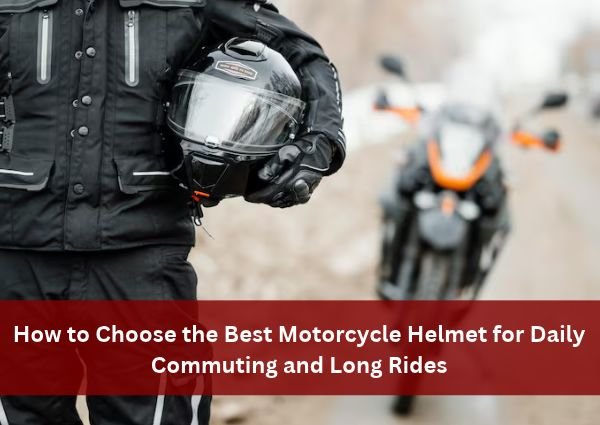
Choosing the right motorcycle helmet is one of the most important decisions every rider makes. Whether you use your motorcycle for daily commuting, weekend trips, or long-distance journeys, a suitable helmet plays an essential role in protecting your head and improving riding comfort. A good helmet should offer a secure fit, reliable safety features, proper ventilation, and a design that suits your riding requirements.
In 2026, motorcycle helmets are available in different styles, sizes, materials, and designs. However, selecting the right option involves more than choosing an attractive appearance or affordable price. Riders should consider safety certification, helmet construction, comfort, visibility, and durability before making a purchase.
Understanding these factors can help you select a helmet that supports both everyday riding and longer journeys.
1. Check Helmet Safety Standards and Construction
Safety should always be the first consideration when choosing a motorcycle helmet. A helmet is designed to help reduce the risk of head injuries during an accident by combining an outer shell with an impact-absorbing liner and other protective components.
Verify Safety Certification
Before purchasing a helmet, check whether it meets the applicable safety standards. In India, look for the relevant Bureau of Indian Standards (BIS) certification and ISI mark. Always verify that the certification applies to the specific helmet model rather than relying only on packaging or promotional claims.
A certified helmet should be selected from a reliable manufacturer or authorised seller. Avoid helmets with unclear certification details, damaged components, or questionable product quality.
Understand Helmet Construction
Motorcycle helmets generally include several components that contribute to their protective function:
- Outer Shell: The outer layer helps distribute impact forces and protects the internal components.
- Impact-Absorbing Liner: The inner energy-absorbing material is designed to manage impact energy during a crash.
- Comfort Padding: Proper padding helps provide a secure and comfortable fit.
- Retention System: The chin strap helps keep the helmet correctly positioned while riding.
- Visor: A suitable visor helps protect the eyes and face from wind, dust, and road debris.
For daily commuting and long rides, choose a helmet with good construction, reliable fastening, and components that meet the applicable safety requirements.
2. Choose the Right Helmet Type, Size, and Fit
The helmet style and fit can significantly affect your riding experience. Different helmet designs offer different levels of coverage, convenience, and comfort.
Select a Suitable Helmet Type
Some common motorcycle helmet types include:
- Full-Face Helmets: These cover the head, chin, and face, making them a popular choice for riders seeking comprehensive coverage.
- Open-Face Helmets: These provide coverage around the head and sides but leave the face more exposed.
- Modular Helmets: These feature a movable chin section, offering flexibility when designed and certified for the intended configuration.
- Half Helmets: These provide more limited coverage and may not offer the same level of protection as full-face designs.
For regular commuting and long-distance motorcycle travel, many riders prefer full-face helmets because they provide greater facial coverage.
Find the Correct Helmet Size
A helmet should fit snugly without causing excessive pressure or discomfort. An oversized helmet may move around while riding, whereas an excessively tight helmet can create pressure points during longer journeys.
Before purchasing, measure your head circumference according to the manufacturer’s sizing instructions. Try the helmet on and check whether it sits level, feels secure, and does not move excessively when you gently turn your head.
Consider the following fitting points:
- The cheek pads should fit comfortably against your cheeks.
- The helmet should not create painful pressure around your forehead.
- The chin strap should fasten securely.
- The helmet should remain stable when you move your head.
- The internal padding should feel comfortable for extended use.
Never select a helmet only because it matches your usual clothing or cap size. Always follow the manufacturer’s helmet sizing guide.
3. Consider Comfort, Ventilation, and Features for Long Rides
A helmet that feels comfortable for a short journey may become uncomfortable during extended riding. Daily commuters and touring riders should pay attention to ventilation, weight, visibility, and noise management.
Look for Proper Ventilation
Ventilation helps circulate air inside the helmet and can improve comfort, particularly during warm weather. Helmets with suitable intake and exhaust vents allow airflow through designated channels.
For riders travelling in hot and humid conditions, ventilation can be an important feature to consider. However, the actual airflow experience depends on helmet design, riding speed, and weather conditions.
Check Visor Quality and Visibility
A clear, properly functioning visor supports visibility while riding. Look for a visor that provides a suitable field of vision and is easy to operate.
Depending on the helmet model, useful features may include:
- Anti-scratch visor coatings
- Anti-fog compatibility or inserts
- Sun visors
- Secure visor locking mechanisms
- Easy visor replacement systems
Choose visor features according to your regular riding conditions. Make sure the visor does not obstruct your vision and is appropriate for the lighting conditions in which you ride.
Evaluate Weight and Comfort Padding
Helmet weight can influence comfort during longer journeys. A well-fitted helmet with suitable padding can help reduce discomfort around the head and neck.
Also check whether the inner padding is removable and washable, as this can make routine maintenance easier. Noise levels, wind resistance, and overall comfort should also be considered when selecting a helmet for highway riding.
Choosing the best motorcycle helmet for daily commuting and long rides requires careful consideration of safety certification, construction quality, helmet type, correct sizing, ventilation, and comfort features. Riders should prioritise verified safety standards and a secure fit rather than selecting a helmet based only on its appearance or price.
A suitable helmet can make everyday travel more comfortable while providing essential protective coverage during motorcycle journeys. Before purchasing, compare different models, check their certification details, and choose a design that matches your riding requirements.
Virgo Helmet offers motorcycle helmet options for riders looking for a combination of design, comfort, and safety-focused features. Explore its range of motorcycle helmet products to find options that suit your daily commuting and long-distance riding needs.