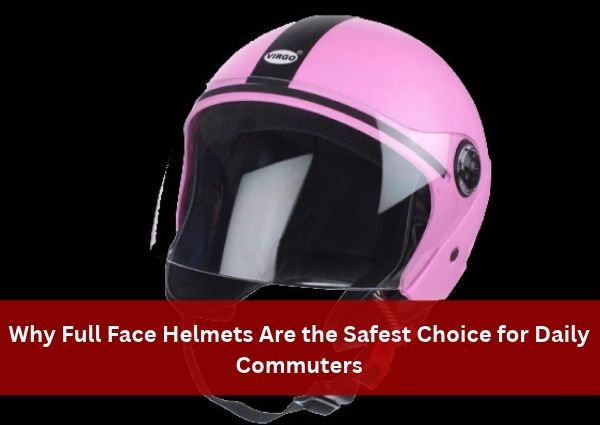
Motorcycle helmets are essential safety equipment for riders, helping protect the head and reduce the risk of serious injuries during accidents. For daily commuters, choosing the right helmet is particularly important because regular riding exposes them to changing traffic conditions, road hazards, and unpredictable situations. Among the different helmet styles available, full face helmets are a popular choice because they cover the entire head, including the chin and jaw area.
A good motorcycle helmet should combine reliable protection, comfortable fitting, durable construction, and practical features for everyday use. Whether travelling to work, attending college, or running daily errands, commuters should prioritise safety when selecting a helmet. Understanding the benefits of full face helmets can help riders make informed decisions and develop safer riding habits.
1. Comprehensive Head and Facial Protection
One of the main advantages of a full face helmet is its extensive coverage. Unlike open-face helmets, full face helmets include a chin bar and cover the sides and back of the head, providing protection across a larger area. This design helps protect the face and jaw in addition to the skull during an impact.
Motorcycle accidents can involve different types of collisions, including falls, sudden braking, and impacts with vehicles or road surfaces. A properly fitted, certified full face helmet is designed to help absorb impact energy and reduce the risk of certain head and facial injuries. However, no helmet can eliminate every risk associated with a motorcycle accident.
Why Chin and Jaw Protection Matters
The lower face is vulnerable during a crash, particularly when a rider falls forward. The chin bar of a full face helmet provides an additional protective structure over this area. This feature makes full face helmets a practical option for commuters who regularly navigate congested roads and busy intersections.
Riders should ensure that the helmet fits securely, the retention strap is fastened correctly, and the chin bar and shell are free from visible damage. The helmet’s protective performance depends on its design, condition, fit, and compliance with applicable safety standards.
2. Better Protection from Wind, Dust, and Road Debris
Daily commuters often encounter dust, insects, wind, and small particles while riding. Full face helmets provide a protective shell and visor that help shield the face and eyes from these environmental elements. This can make everyday journeys more comfortable, especially on busy roads or during longer commutes.
Improved Riding Comfort in Different Conditions
A suitable visor helps protect the eyes from wind and airborne debris while maintaining visibility. Some helmet models offer ventilation channels that support airflow inside the helmet, helping reduce discomfort during warm weather. The quality and effectiveness of these features vary by model, so buyers should check product specifications before purchasing.
Commuters should select a visor that provides clear visibility and is appropriate for their usual riding conditions. Scratched, damaged, or excessively tinted visors can interfere with vision, particularly in low-light conditions. Riders should also avoid using tinted visors at night unless they are specifically suitable and permitted for those conditions.
Reduced Exposure to Wind Noise
Full face helmets may reduce wind exposure compared with more open helmet designs, depending on their shape, fit, and construction. However, they do not eliminate wind noise, which can still reach potentially harmful levels at higher speeds. Riders should remain aware of excessive noise exposure and choose a well-fitting helmet designed for their intended use.
3. Practical Features for Everyday Commuting
Modern full face helmets are available in different sizes, designs, materials, and price ranges. Features such as removable comfort liners, ventilation systems, secure fastening mechanisms, and practical visor arrangements can improve everyday usability. However, these additional features should complement, rather than replace, essential safety requirements.
Comfortable Fit for Daily Use
A helmet that fits properly should feel snug and secure without creating painful pressure points. Excessively loose helmets may shift during a collision, while overly tight helmets can become uncomfortable during regular travel. Commuters should try the helmet before purchasing it and follow the manufacturer’s sizing guidance.
Safety Certification and Maintenance
Before buying a full face helmet in India, customers should verify the applicable Bureau of Indian Standards (BIS) certification and ISI mark for the specific model. Buyers should purchase from reliable sellers, check product labelling, and avoid helmets with unclear certification details or signs of damage.
Regular maintenance is also important. Clean the visor and helmet according to the manufacturer’s instructions, inspect the fastening system, and avoid modifications that could compromise the protective structure. A helmet should be replaced after a significant impact and according to the manufacturer’s replacement guidance.
Conclusion
Full face helmets are a practical choice for daily commuters because they provide extensive head and facial coverage, help shield riders from wind and road debris, and offer features designed for everyday comfort. However, protection depends on choosing the right size, verifying safety certification, fastening the helmet correctly, and maintaining it properly.
Riders should look beyond appearance and price when selecting a helmet. Safety standards, secure fitting, reliable construction, and clear product information should remain the main priorities. Virgo Helmet offers helmet options for riders looking for a combination of style, comfort, and safety-conscious design. Explore the available products at Virgo Helmet and choose a suitable helmet for your commuting needs while making responsible motorcycle safety a priority.